A little more of the story.
I come to this work through many ways of listening such as clinical training, developmental research, reflective practice, movement, and lived experience. Together, they shape how I meet clients - with care, rigor, curiosity, and humanity.
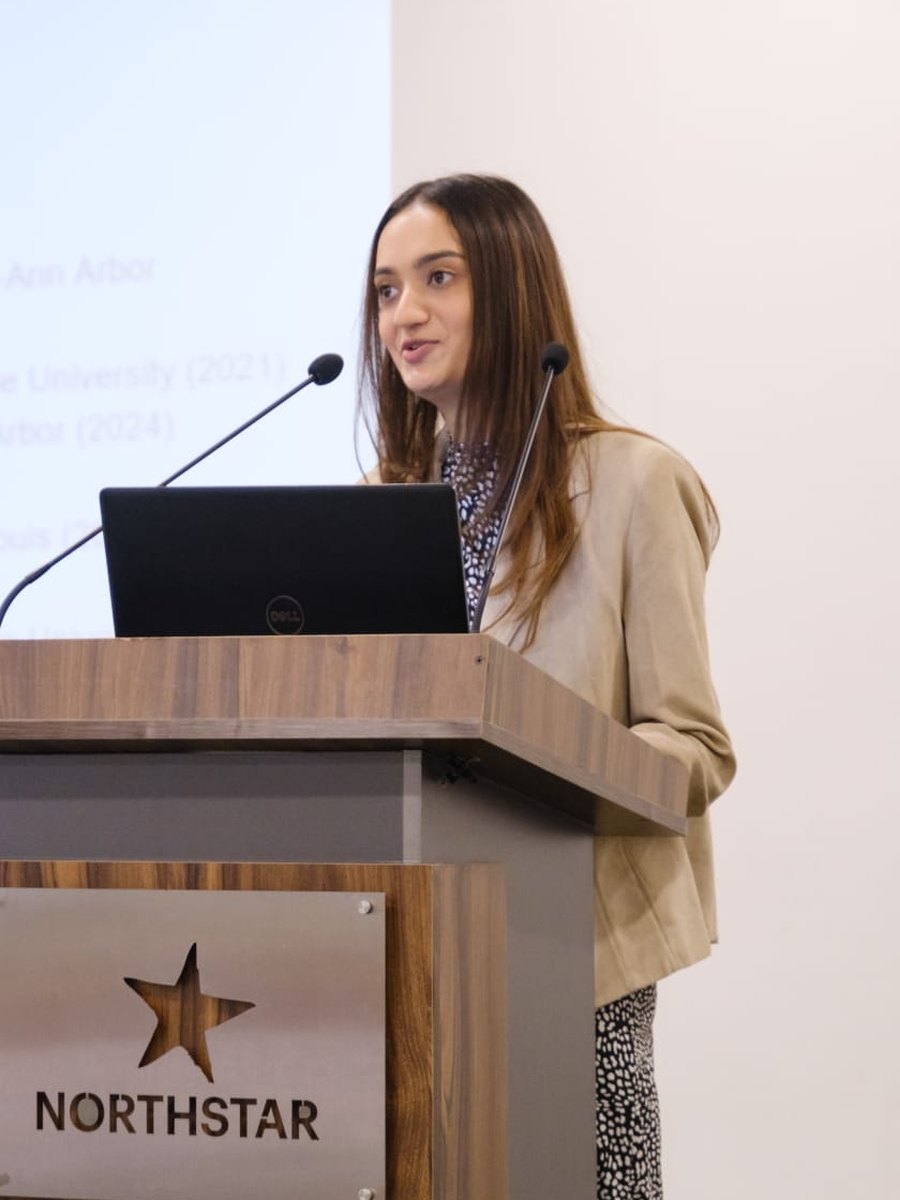
Shreeja Vachhani, LMSW
My way into this work has never been one straight line.
Before becoming a therapist, I spent years studying the mind, brain, development, and human behavior. I was drawn to how experience leaves an imprint, not only in what people remember, but in how they adapt, relate, and make meaning.
Clinical social work gave that curiosity a fuller home. It allowed me to hold the personal and the contextual together: the individual story alongside family, culture, systems, loss, support, and the conditions that shape a life.
I arrive in this work most interested in the meeting place between lenses - where clinical knowledge, lived experience, careful listening, and the client's own wisdom can inform one another.
Training that shaped my clinical eye.
My training helps me listen across layers, including the individual, relational, developmental, systemic, and embodied. I bring that range into the room with care and intention.
Psychotherapy training
I earned my Master of Social Work from the University of Michigan-Ann Arbor and completed a year of post-MSW fellowship training at the Mary A. Rackham Institute Psychological Clinic. My training has included integrative outpatient psychotherapy, assessment, case formulation, couples work, group therapy, and clinical work across the lifespan.
Research background
Before and alongside clinical training, I gained experience in psychology, neuroscience, and developmental research. That background shapes my respect for complexity, especially in how people adapt over time, how relationships affect development, and how emotional life is connected to the systems around us.
Somatic & attachment-informed work
My continuing training has included somatic embodiment, nervous system regulation, trauma-informed practice, and attachment-focused perspectives on healing. This has deepened how I think about safety, pacing, relational repair, and the body's role in therapy.
Ongoing practice
I see therapy as work that asks for continued learning and reflection. Supervision, consultation, reading, training, and self-reflection help me stay accountable to the work and to the people who trust me with their stories.
Selected research and writing.
My research and writing reflect an ongoing interest in development, emotional wellbeing, mindfulness, relational systems, and trauma-informed care. I include this work because it reflects how I think: with curiosity, precision, and care for how ideas translate into people's real lives.
Brief app-based mindfulness and mood monitoring intervention for first-year college students: A randomized controlled trial
Hilt, L. M., Vachhani, S. S., Vaghasia, N. V., & Swords, C. M. (2025). Journal of Psychopathology and Behavioral Assessment, 47(1), Article 23.
Perspectives on a system-oriented trauma-informed approach in schools: A qualitative study using the TIPPS framework
Riley, H. O., Miller, A. L., Chang, Y., Sherman, B. A., Stein, S. F., McMiller, K. C., Yang, S., Moore, A., Vachhani, S. S., & Herrenkohl, T. I. (2025). American Journal of Orthopsychiatry, 96(1), 61–69.
Constructing the "Family Personality": Can family functioning be linked to parent-child interpersonal neural synchronization?
Thompson, K. I., Schneider, C. J., Rocha-Hidalgo, J., Jeyaram, S., Mata-Centeno, B., Furtado, E., Vachhani, S., Pérez-Edgar, K., & Perlman, S. B. (2024). Journal of Personality, 93(3), 755–766.
Trauma-Informed Programs and Practices for Schools (TIPPS): A promising model of system change to lessen pandemic effects on schools
Vachhani, S. S., Riley, H. O., Herrenkohl, T. I., & Miller, A. L. (2024). International Journal of School and Educational Psychology, 13(1), 26–35.